
Netherlands Win the FIFA World Cup 2026 Fair Play Award
An early exit didn't stop the Dutch from posting the cleanest disciplinary record of any team at the tournament.
The Cleanest Record at World Cup 2026
The Netherlands were named winners of the FIFA Fair Play Award at World Cup 2026, a recognition based on each squad's disciplinary record across the tournament rather than results on the scoreboard. Across their four matches — three in the group stage and one in the knockout rounds — the Dutch picked up just three yellow cards and zero red cards, the best disciplinary mark of any of the 48 teams at the tournament.
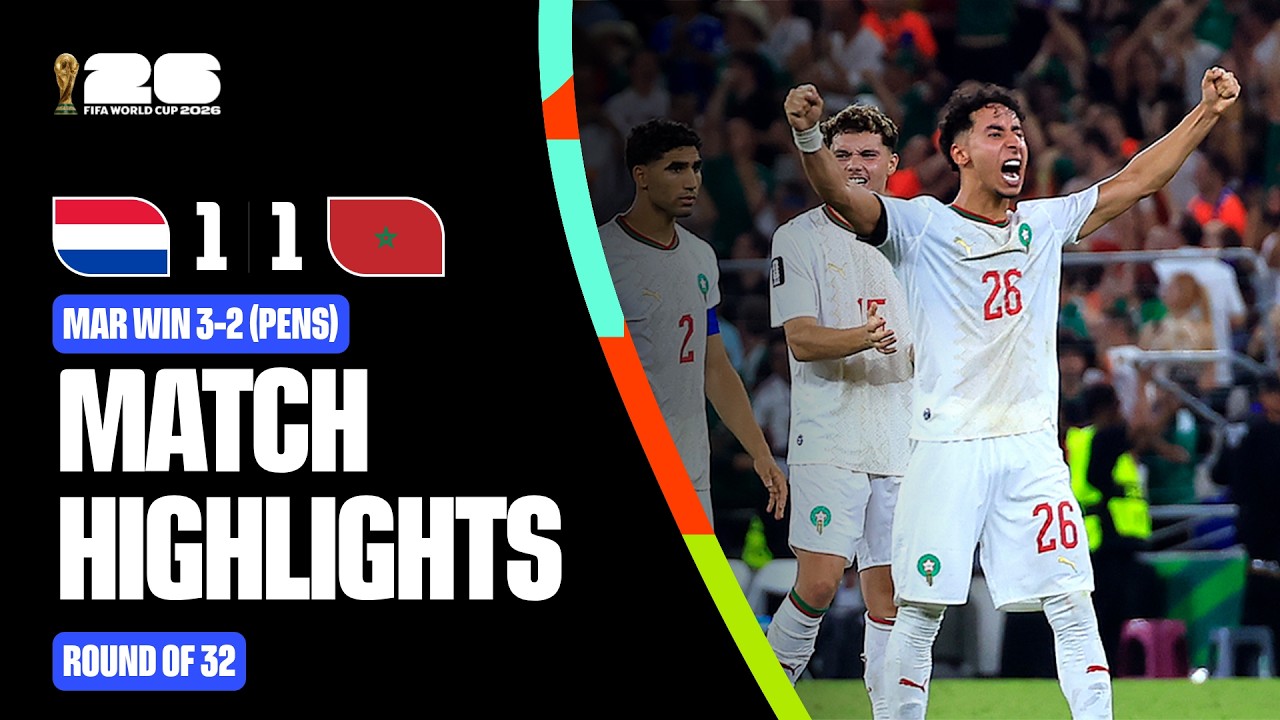
The award is a notable footnote to an otherwise disappointing campaign for a Netherlands side that many expected to go deeper. After going 5-1 over Sweden, drawing 2-2 with Japan, and beating Tunisia 3-1 to top their group, the Dutch were eliminated in the Round of 32 by Morocco on penalties, in a match that finished 1-1 after extra time before Morocco advanced 3-2 in the shootout.
Group Stage Discipline, Group Stage Goals
| Match | Result | Cards |
|---|---|---|
| Netherlands vs Japan | 2-2 draw | Clean |
| Netherlands vs Sweden | 5-1 win | 1 yellow |
| Tunisia vs Netherlands | 1-3 win | 1 yellow |
| Netherlands vs Morocco (R32) | 1-1 (Morocco won 3-2 on penalties) | 1 yellow |
What the Fair Play Award Actually Measures
FIFA's Fair Play Award has historically gone to the team with the best combination of disciplinary record and positive play across a tournament — it isn't a consolation prize, but a genuine reflection of how a squad conducted itself under the pressure of knockout football. For a Netherlands squad eliminated on penalties in the round of 32, the award is a rare bright spot in an otherwise early elimination, and a marker of a group that never let frustration boil over even as their World Cup ended in the cruelest possible way.
It stands in contrast to the physical, card-heavy football that defined several other knockout matches this tournament, underlining just how disciplined Ronald Koeman's squad remained even in defeat.
A Familiar Face in Fair Play Conversations
This isn't the first time a Dutch side has been associated with the Fair Play conversation at a major tournament — the Netherlands have long had a reputation for producing technically gifted, possession-based teams even when results don't go their way, and this campaign fit that mold. Despite the quality of their group-stage football, including a 5-1 win over Sweden built on fluid, patient attacking play, the Dutch never resorted to the kind of cynical, card-accumulating football that so often creeps into knockout matches decided by fine margins.
That discipline extended right through their Round of 32 exit. Rather than a bad-tempered collapse after 120 goalless-in-open-play minutes against Morocco, the match stayed largely clean before being decided on penalties — a fitting, if bittersweet, way for a Fair Play Award-winning campaign to end. For a country with one of international football's deepest World Cup histories but no title to show for it, the award is a small consolation, but a genuine one: recognition that the team represented their football culture with real credit, even in defeat.
An Award That Rewards the Whole Squad
Unlike the individual awards handed out at a World Cup, the Fair Play Award is a team-wide recognition, and it tends to reward consistency across an entire squad rather than any single player's conduct. That makes it, in its own way, harder to win than it looks: a single reckless tackle or a moment of frustration boiling over in a knockout match can undo weeks of clean, disciplined football. The Netherlands avoided that trap across all four of their matches, including in the tense, physically demanding closing stages of a penalty shootout loss — arguably the exact kind of moment where discipline is hardest to maintain.
Frequently Asked Questions
The Netherlands won the award, finishing the tournament with just three yellow cards and no red cards across four matches.
They topped their group with a win over Sweden, a draw with Japan and a win over Tunisia, before losing to Morocco on penalties in the Round of 32.
No — it's awarded based on a team's disciplinary record and playing conduct across the tournament, independent of how far they advanced.