
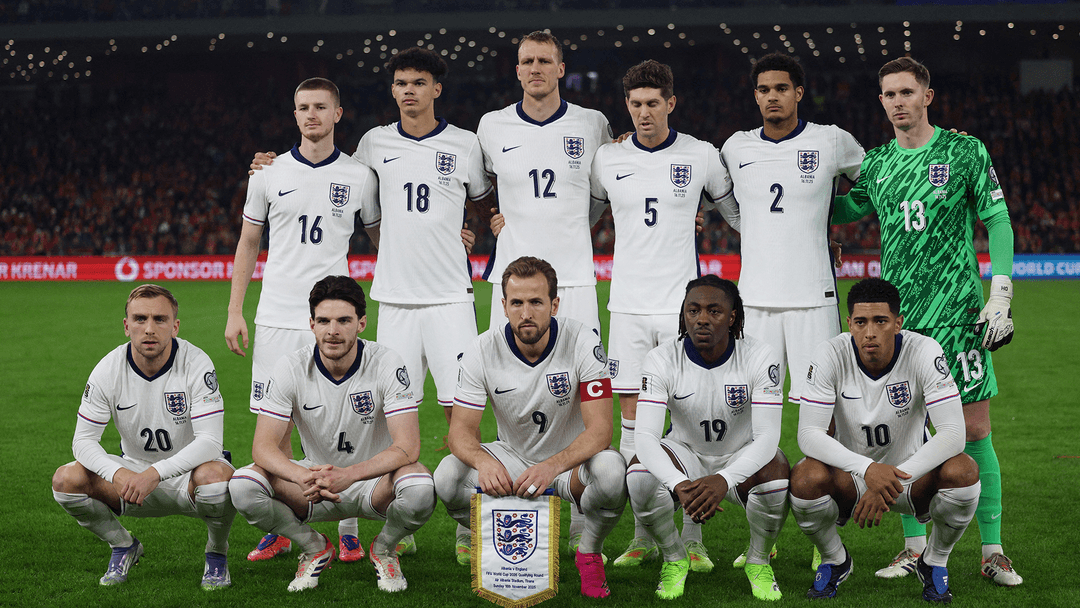
One title. 1966. On home soil. England's World Cup wait is now 60 years and counting. In 2026, with one of their strongest squads in decades, the dream is alive again.
The Long Wait
England invented football. They won the World Cup once — in 1966, at Wembley, in front of their own fans. Since then? Heartbreak, penalty misses, and decades of near-misses that have become part of English sporting folklore.
The 2018 World Cup gave hope — a semi-final in Russia was England's best performance in 28 years. In 2022, a quarter-final exit to France was frustrating but respectable. In 2026, expectations are higher than ever.
Key Players
| Player | Position | Why He Matters |
|---|---|---|
| Jude Bellingham | Midfielder | Complete player; goals, assists, leadership — England's most important footballer |
| Phil Foden | Forward | Technically the most gifted English player of his generation |
| Harry Kane | Striker | One of world football's elite strikers; desperate to win a major trophy |
| Bukayo Saka | Winger | Consistent, mature, and one of Arsenal's most important players |
| Trent Alexander-Arnold | Right back / MF | Elite ball progression; redefines the right-back position |
The Case For and Against
For: England have the squad depth to compete with anyone. Bellingham and Foden are world-class. Kane is a proven goalscorer. The team chemistry developed under Gareth Southgate and, since 2023, Thomas Tuchel has been real.
Against: England tend to lose their best players to injury at tournament time. Mental fragility in knockout games has been a recurring issue. And the 60-year curse is a psychological weight.
Will football finally come home in 2026? Follow this blog for England previews, squad news, and tournament updates. ⚽