
FIFA World Cup 2026 Format Explained: How the 48-Team Tournament Works
48 teams. 12 groups. A brand-new Round of 32. Here’s everything you need to know about how the biggest World Cup in history works.
Group Stage: 12 Groups of 4 Teams
The 2026 World Cup expands from 32 to 48 teams — the biggest expansion in tournament history. FIFA confirmed the format structure in 2023: 12 groups of 4 teams (Groups A through L), keeping the proven format of 4 teams per group while simply adding more groups.
Each team plays 3 group stage matches — the same as every previous World Cup since 1994. The familiar dynamics of group football remain intact: every result matters, comebacks are possible, and the third game of each group can still be a nerve-shredding decider.
| Category | Previous Format (32 teams, 1998–2022) | New Format (48 teams, 2026) |
|---|---|---|
| Teams | 32 | 48 |
| Groups | 8 groups of 4 | 12 groups of 4 |
| Group matches per team | 3 | 3 (unchanged) |
| Group stage matches total | 48 | 72 |
| Teams advancing | 16 (top 2 per group) | 32 (top 2 + 8 best 3rd) |
| First knockout round | Round of 16 | Round of 32 (new!) |
| Total matches | 64 | 104 |
Who Advances from the Group Stage?
From each of the 12 groups, the top 2 teams advance automatically. That gives 24 teams. To reach the Round of 32 target of 32 teams, the 8 best third-place finishers across all 12 groups also advance — ranked by points, then goal difference, then goals scored.
💡 Third-place qualification: Finishing third in your group is not the end. The 8 best third-place teams from across all 12 groups earn a spot in the Round of 32. Teams must aim for maximum points in every game — even from 3rd place, qualification is possible.
The Full Bracket: Round by Round
Group Stage
48 teams · 12 groups of 4
72 matches
June 11 – July 2
Round of 32
32 teams · 16 matches
First KO round ever at this stage
July 4 – 7
Round of 16
16 teams · 8 matches
July 9 – 12
Quarter-finals
8 teams · 4 matches
July 14 – 15
Semi-finals
4 teams · 2 matches
July 17 – 18
Final
2 teams · 1 match
July 19, 2026
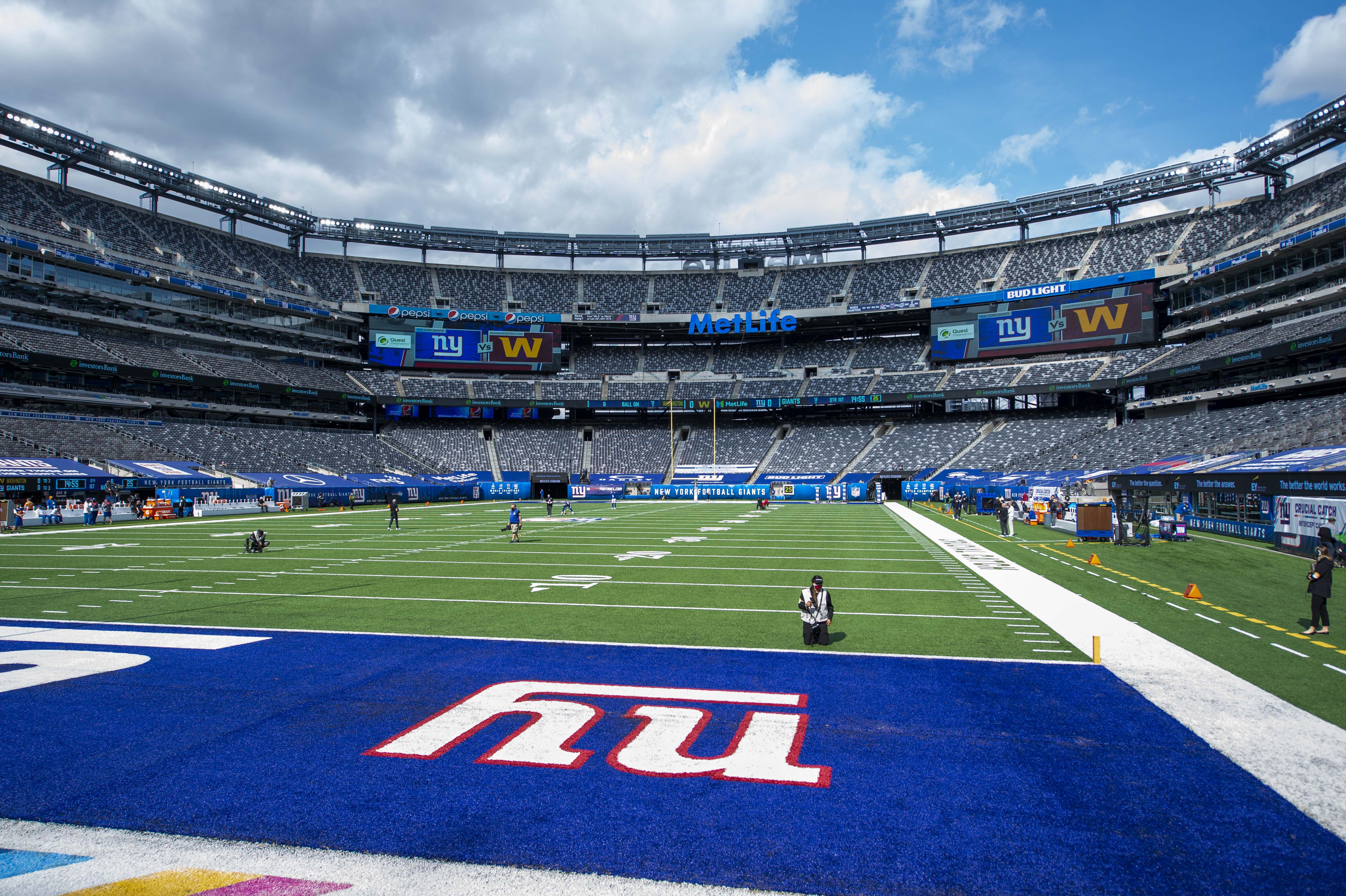
MetLife Stadium, New Jersey
Why Did FIFA Change the Format?
The original 2017 proposal for a 48-team World Cup envisioned 16 groups of 3 teams — but this format drew widespread criticism from coaches and fans. A group of only 3 teams creates a structural problem: the third match involves two teams who know the exact result they need, potentially leading to a pre-arranged draw (as infamously happened in 1982 between West Germany and Austria).
FIFA revised the format in 2023: keeping groups of 4 eliminates this risk entirely. Every team plays 3 full group stage matches, just as they always have. The change adds more groups (12 instead of 8) but preserves the integrity that makes the group stage so compelling.
✅ Key takeaway: The 2026 format keeps everything fans love about the group stage (3 matches per team, real competitive stakes) while giving 16 more nations a World Cup experience. The only genuinely new element is the Round of 32 — an extra knockout round that replaces what used to be called Round of 16 as the first elimination stage.
Is the New Format Good?
Arguments for: More nations get a World Cup experience. More matches means more spectacle and revenue. Teams from Africa, Asia, and CONCACAF have historically been underrepresented — in 2026, they collectively send 24 teams (up from 13 in 2022). The drama of a 3-match group stage is fully preserved.
Arguments against: 104 matches over 39 days is a gruelling schedule, particularly for players who have already played a full club season. The Round of 32 adds another match for surviving teams before the "traditional" knockout rounds begin.
Whether you love or hate the expanded format, one thing is certain: 104 matches of World Cup football across three North American nations will be one of the greatest sporting spectacles in history.
The 12 Groups at a Glance (Groups A–L)
| Group | Teams |
|---|---|
| A | Mexico, South Korea, South Africa, Czechia |
| B | Canada, Switzerland, Qatar, Bosnia-Herzegovina |
| C | Brazil, Morocco, Scotland, Haiti |
| D | USA, Paraguay, Australia, Türkiye |
| E | Germany, Ecuador, Ivory Coast, Curaçao |
| F | Netherlands, Japan, Sweden, Tunisia |
| G | Belgium, Egypt, Iran, New Zealand |
| H | Spain, Uruguay, Saudi Arabia, Cape Verde |
| I | France, Senegal, Norway, Iraq |
| J | Argentina, Algeria, Austria, Jordan |
| K | Portugal, Colombia, Uzbekistan, DR Congo |
| L | England, Croatia, Ghana, Panama |