
IRAN ISSUES 10-POINT ULTIMATUM AS VISA CRISIS FORCES WORLD CUP 2026 DAY-TRIP MATCHES FROM MEXICO BASE
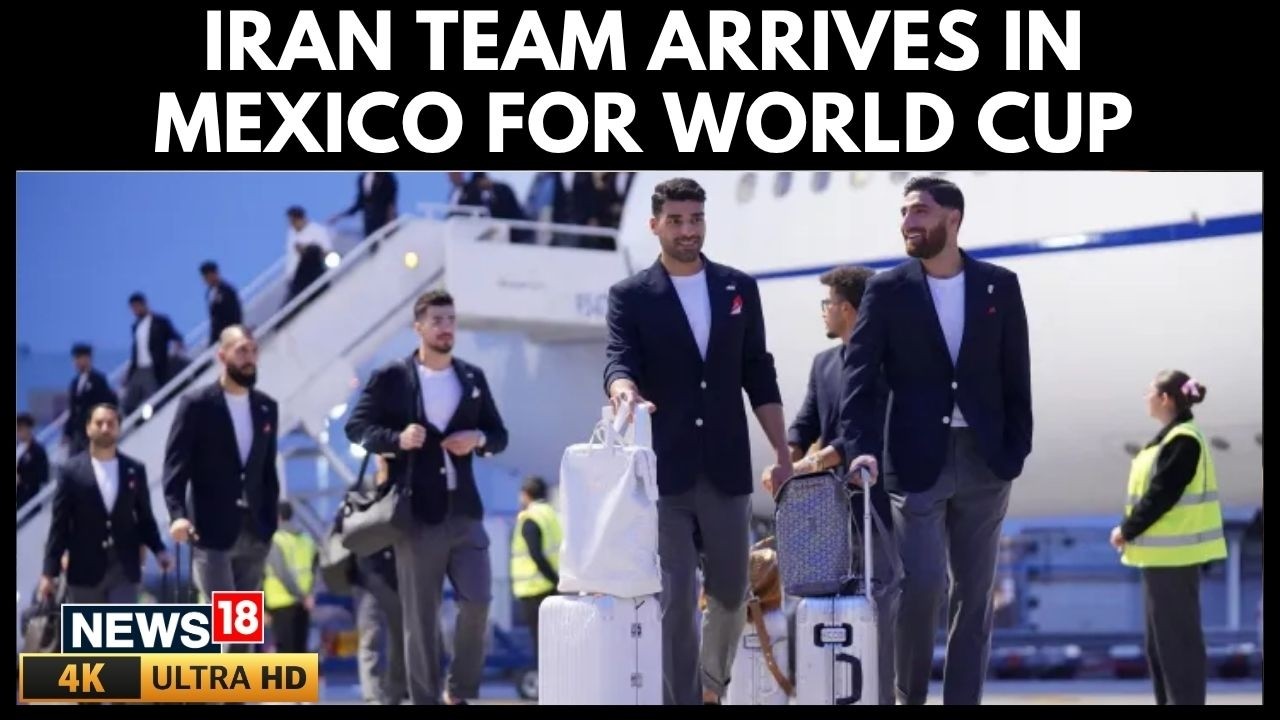
As the 2026 FIFA World Cup prepares to open its curtain on June 11, Iran’s national football team faces a diplomatic crisis without precedent in World Cup history: over a dozen officials from their delegation have been denied US entry visas, the Football Federation president is barred from the country, and the team must travel in and out of the United States on the same day as each of their three group matches.
THE VISA DENIALS: WHO WAS REFUSED AND WHY
According to multiple confirmed reports from ESPN, Al Jazeera and the Iranian Football Federation, at least 15 administrative and management staff members of Iran’s World Cup delegation were denied US visas ahead of the tournament. The highest-profile denials include Hedayat Mombeini, the Football Federation’s Secretary General, and Mehdi Mohammad Nabi, the Federation’s Vice President. Crucially, Mehdi Taj — the president of the Iranian Football Federation — was also among those refused entry.
Every player in Iran’s 30-man squad and all coaching staff members did receive visas. The denials were targeted exclusively at administrative and management personnel, with the US government making a clear distinction between athletes — who it chose to admit under FIFA’s tournament obligations — and non-sporting officials.
The US government’s stated justification was direct: Washington said it would not allow Iran “to embed in their delegation a bunch of people that we know have nothing to do with athletics and have ties to the IRGC.” The IRGC (Islamic Revolutionary Guard Corps) has been designated by the US as a foreign terrorist organisation, a classification that automatically triggers visa denial procedures for any associated individuals. Iran disputes that its football officials have IRGC ties, calling the characterisation false.
IRAN’S RESPONSE: THE 10-POINT ULTIMATUM
Faced with what it characterised as discrimination, Tehran issued a formal 10-point ultimatum directed at both FIFA and the United States government. The document threatened Iran’s complete withdrawal from the 2026 FIFA World Cup unless strict demands regarding visa approvals and security guarantees for the entire delegation were met.
The ultimatum demanded, among other points: immediate visa issuance for all accredited delegation members, formal written security assurances from US authorities for Iranian players and staff, an official condemnation from FIFA of what Iran described as “discriminatory treatment,” and the designation of a neutral liaison point for security coordination during travel to match venues.
Iran’s captain Ehsan Hajsafi, speaking on behalf of the squad, publicly expressed the team’s frustration. His message to FIFA was blunt: “Why so late?” — a reference to the fact that visa issues had dragged on for weeks without resolution, leaving the squad uncertain about the status of their own supporting staff until days before departure.
The international football community watched closely. FIFA, which has long maintained a principle of political neutrality in sport, found itself navigating the difficult intersection of US immigration law and its own obligations as tournament organiser. FIFA publicly urged the US to resolve the situation, without officially backing Iran’s ultimatum or threatening sanctions against the host nation.
THE LOGISTICAL REALITY: FLYING IN, PLAYING, FLYING OUT
With the visa dispute unresolved for the full delegation, Iran and the US government reached a practical arrangement: the Iranian national team would be permitted to enter United States territory only on the day of each match, and required to depart before the end of that same day. Iran’s Ambassador to Mexico confirmed the arrangement: “We can enter in the morning and we must leave the same day.”
This means Iran’s players, already based at their training camp in Tijuana, Baja California — just across the US-Mexico border from San Diego — will board transport the morning of each group match, cross into the US, play a World Cup game of 90+ minutes, and then immediately return to Mexico. The logistical strain of this arrangement on player recovery and wellbeing cannot be understated.
FIFA initially requested that Mexico host the Iranian delegation’s base camp after the US reportedly declined to allow the team to remain in the country between matches. Iran’s squad departed Turkey (their previous training camp location) on June 6 and arrived in Tijuana in the early hours of June 7, landing at 1:30 AM local time. The squad has since been training across the border from the tournament’s main US venues.
IRAN’S MATCH SCHEDULE AND WHAT’S AT STAKE
Iran are placed in Group G alongside Belgium, Egypt, and New Zealand. All three of Iran’s group stage matches are scheduled in the United States, making the day-trip arrangement a requirement for every fixture.
| Date | Match | Venue | Kick-off (ET) |
|---|---|---|---|
| June 15 | Iran vs New Zealand | SoFi Stadium, Inglewood, CA | TBC |
| June 21 | Iran vs Belgium | SoFi Stadium, Inglewood, CA | TBC |
| June 26 | Iran vs Egypt | Lumen Field, Seattle, WA | TBC |
The sporting stakes are significant. Iran face a challenging group in Belgium — one of Europe’s most experienced squads — and Egypt, led by Mohamed Salah in what is expected to be his last World Cup appearance. A draw against New Zealand in the opener would be a positive start; qualifying from Group G will require maximum focus under extraordinary logistical pressure.
For background on Iran’s squad and footballing ambitions, see our full Iran at FIFA World Cup 2026 preview.
THE BROADER IMPLICATIONS FOR WORLD CUP DIPLOMACY
This is not the only diplomatic incident to have surrounded the 2026 World Cup in its pre-tournament phase. Iran’s base camp relocation from Arizona to Mexico was the first signal that the visa situation was heading toward confrontation. Since then, reports have also emerged of visa delays affecting members of the Iraqi delegation and journalists from several African nations — suggesting a broader pattern of access issues for certain nationalities travelling to the United States for the tournament.
Human rights organisations have noted that the situation raises fundamental questions about FIFA’s process for awarding tournaments to nations that may impose discriminatory entry requirements on certain delegations. FIFA’s host country agreement with the United States, Mexico and Canada requires equal access for all 48 participating nations — but enforcement mechanisms for this clause remain unclear when the host government cites national security as justification for denials.
For now, Iran’s players are training in Tijuana and focused on football. The diplomacy surrounding their participation, however, has already become one of the defining stories of the 2026 pre-tournament period.
Frequently Asked Questions
The US government stated it would not grant visas to delegation members it believes have ties to the IRGC (Islamic Revolutionary Guard Corps), which Washington designates as a foreign terrorist organisation. All players and coaching staff received visas; only administrative officials were refused.
As of June 9, Iran’s squad is in Tijuana and training. The 10-point ultimatum was issued but Iran have not withdrawn. The team has a day-trip arrangement to enter and leave the US on match days.
Iran play all three Group G matches in the US: vs New Zealand and vs Belgium at SoFi Stadium in Inglewood, California, and vs Egypt at Lumen Field in Seattle, Washington.
FIFA publicly urged the US to resolve the dispute and asked Mexico to host Iran’s base camp. However, FIFA has not taken formal sanctions against the US host nation nor officially endorsed Iran’s ultimatum demands.