
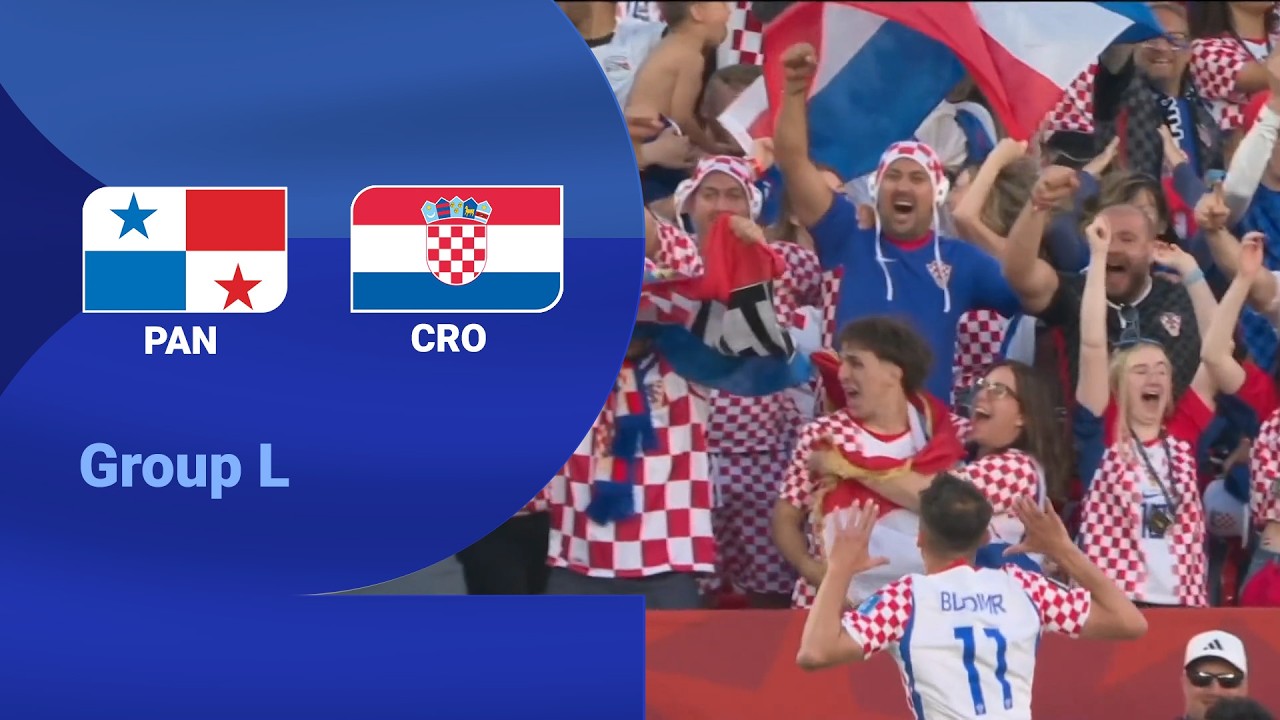
Luka Modrić: 200 International Caps and Still Going
On June 23, 2026, in a near-full BMO Field in Toronto, Luka Modrić became only the fourth player in men's football history to earn 200 international caps — joining Cristiano Ronaldo, Kuwait's Bader Al-Mutawa, and Lionel Messi in football's most exclusive club. The 40-year-old Croatian captain marked the occasion in fitting fashion: leading his country to a crucial 1–0 win over Panama that kept their 2026 World Cup alive.
The 200th Cap — and What It Means
There was barely a dry eye among the Croatian fans in the stands at BMO Field when Luka Modrić stepped onto the pitch to warm applause, wearing the captain's armband and Croatia's iconic red-and-white chequered kit. This was his 200th appearance for the national team — a number so staggering that only three other men in the entire history of the game have ever reached it.
Modrić is the fourth player in men's international football to achieve 200 caps, joining:
- Cristiano Ronaldo (Portugal) — 230 caps
- Bader Al-Mutawa (Kuwait) — 202 caps
- Lionel Messi (Argentina) — 201 caps
- Luka Modrić (Croatia) — 200 caps
This is not merely a statistical milestone. It represents nearly two decades of consistent excellence at the highest level of international football — through five World Cups, four European Championships, and countless unforgettable moments for the small Adriatic nation of just four million people.
From Šibenik to the World Stage: A Career Unlike Any Other
Modrić's journey to this milestone is the kind of story that transcends football. Born in Zadar in 1985 and raised partly in a war-torn Croatia during the 1990s Balkan conflict, his path to becoming one of the greatest midfielders of all time was never guaranteed. He was reportedly rejected by clubs for being too small and too slight; Dinamo Zagreb initially assigned him to lower divisions to toughen him up.
From those humble beginnings grew one of the most complete midfielders the game has ever seen. Modrić's debut for the Croatian national team came in March 2006 — and he was selected for that summer's World Cup in Germany, beginning a five-tournament journey that would define a generation of Croatian football.
His greatest international moment came at the 2018 World Cup in Russia, where Modrić — aged 32 — dragged Croatia to their first-ever World Cup Final with a series of virtuoso performances that culminated in the Ballon d'Or, a first-time winner of that award outside the Messi-Ronaldo duopoly in over a decade. Croatia ultimately lost the final 4–2 to France, but Modrić's individual brilliance had captured the world's imagination.
The Performance vs Panama — Still Leading by Example
What made Tuesday's milestone all the more special was how Modrić performed in the match itself. Starting in his customary deep midfield role, the captain completed 69 of 78 passes — an 88% accuracy rate — and was the driving force behind Croatia's controlled, patient performance against a spirited Panama side.
He played 81 minutes before being substituted to a standing ovation from both sets of supporters. In that time, he dictated Croatia's tempo, shielded the defence, and helped create the conditions for Ante Budimir — introduced at halftime — to score the 54th-minute winner that sealed all three points.
At 40 years of age, playing in his fifth World Cup, Modrić showed once again why coaches and teammates speak of him with such reverence. He is not merely a ceremonial captain who pads his cap count — he is still, match to match, one of Group L's most influential players.
What Lies Ahead for Modrić and Croatia
Croatia's path to the round of 32 is still in their own hands. With three points from matchday two following Tuesday's win, they sit third in Group L behind England and Ghana on four points each. Their final group game will determine whether this remarkable story continues — and whether Modrić gets to add another chapter to his legend.
For Croatia, a team that has twice reached the World Cup Final (1998 and 2018) and consistently punched above their weight on the international stage, Modrić's longevity is both the symbol and the engine of their competitive identity. Without him, it is genuinely unclear how Croatia would function in major tournaments.
Whether this is his last international tournament or not — Modrić has kept his options open — Tuesday's night in Toronto was worth savouring. The football world paused to salute a man who, more than perhaps any other player of his generation, has redefined what it means to be a great midfielder in the modern era.
The 200-Cap Club in Men's Football
| Player | Country | Caps | Goals | Active? |
|---|---|---|---|---|
| Cristiano Ronaldo | Portugal | 230 | 138 | Yes |
| Bader Al-Mutawa | Kuwait | 202 | 58 | No |
| Lionel Messi | Argentina | 201 | 112 | Yes |
| Luka Modrić | Croatia | 200 | 29 | Yes |
Frequently Asked Questions
Modrić reached his 200th cap for Croatia on June 23, 2026, in their FIFA World Cup 2026 Group L match against Panama at BMO Field in Toronto, Canada. Croatia won the match 1–0 thanks to a goal from substitute Ante Budimir in the 54th minute.
Only three other players in the history of men's football have reached 200 international caps: Cristiano Ronaldo (Portugal, 230 caps), Bader Al-Mutawa (Kuwait, 202 caps), and Lionel Messi (Argentina, 201 caps). Modrić is now the fourth to achieve this landmark.
Croatia vs Panama on June 23, 2026 was Modrić's fifth FIFA World Cup, having also featured in the 2006 (Germany), 2014 (Brazil), 2018 (Russia — where Croatia reached the final), and 2022 (Qatar — where Croatia finished third) tournaments.
Yes — Croatia sit third in Group L with three points after matchday two, behind England and Ghana on four points each. They will need a result in their final group match on June 27 to secure qualification for the round of 32.