
FIFA Reverses Water Bottle Ban for World Cup 2026: What Fans Can and Cannot Bring to Stadiums
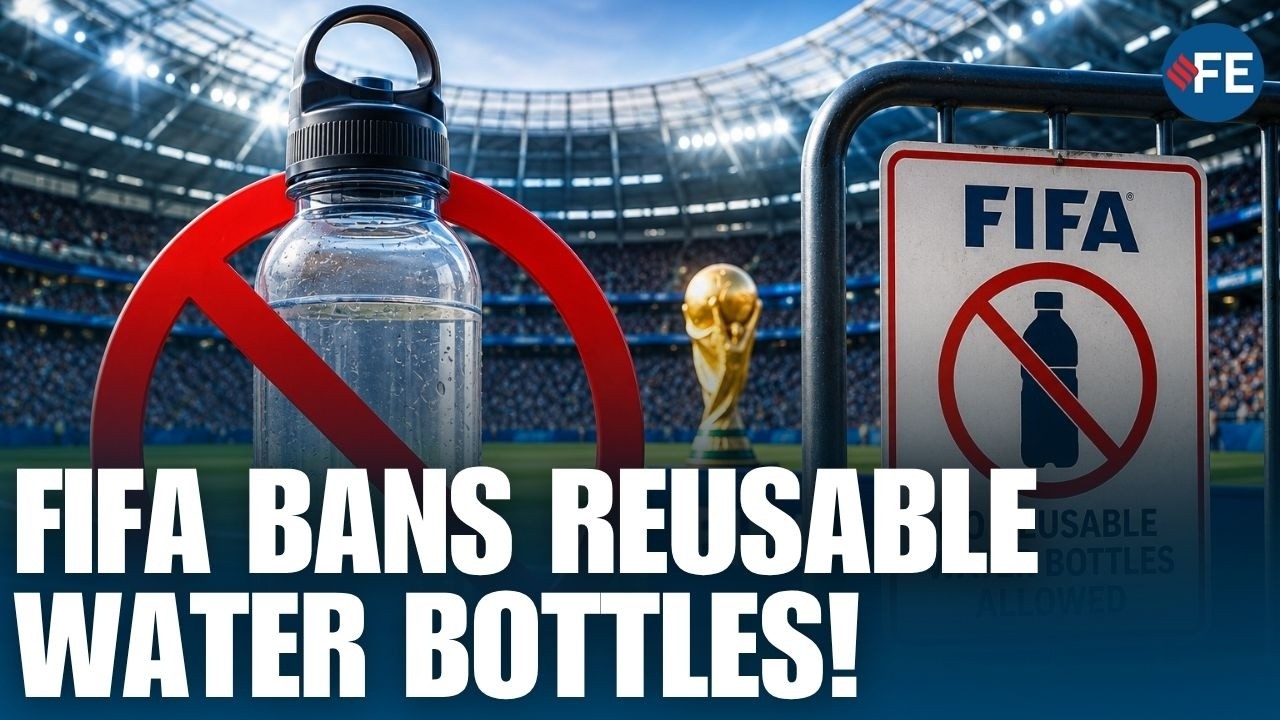
FIFA has reversed a controversial last-minute ban on reusable water bottles at the 2026 World Cup, following fierce criticism from world leaders and supporters' groups — but the new rules still leave fans with a strict single-bottle limit just four days before the tournament kicks off.
A Policy That Sparked a Global Firestorm
With the FIFA World Cup 2026 opening ceremony just days away, the governing body of world football found itself at the center of an unexpected controversy — not over a squad selection or a fixture dispute, but over a water bottle. On June 2, 2026, FIFA quietly updated its official Stadium Code of Conduct, effectively banning fans from bringing any reusable or refillable water bottles into the tournament's 16 North American venues. The change reversed a previous policy that had permitted empty, transparent reusable bottles of up to one liter per fan.
The timing could not have been worse. Temperatures across several U.S. host cities are expected to regularly exceed 90°F (32°C) during June and July. Cities like Dallas, Houston, Miami, and Atlanta regularly hit dangerous heat-stress levels in summer, and fans attending matches — many of whom will be standing in open-air stadium concourses for hours — immediately recognized the potential danger. The story spread globally within hours of the updated code being noticed by supporters' groups.
Politicians and Fan Groups Condemn FIFA
The backlash was swift and came from the highest levels of government. British Prime Minister Sir Keir Starmer was among the most prominent voices to condemn the decision. Speaking to LBC radio, Starmer did not mince words: "It's just wrong. And I can't help but think that it's about making money." When asked if he would contact FIFA directly, Starmer replied: "I would call on FIFA to just look again at this. Think about it. Think of the fans. They are football fans from all sorts of backgrounds across our country, across the world. They're already spending a fortune getting there. They've got to pay a lot for tickets, too much in my book. Don't impose further costs on them."
Toronto Mayor Olivia Chow was equally blunt, calling the ban "a pure money grab." Chow suggested that if FIFA was truly concerned about safety, it could simply provide free water inside stadiums using Toronto's own municipal water — or create special FIFA-branded reusable bottles distributed to fans at no cost.
Supporters' groups were similarly outraged. Free Lions, an England supporters' organization affiliated with the Football Supporters' Association (FSA), posted on social media: "What next? Suncream banned and fans forced to buy it in stadiums? For how hot the stadiums will be, many in open air, just let fans bring a bottle if they want to." The group, which had previously received assurances from FIFA that free water would be available throughout venues, described the policy as a "strange, late change" and "the latest money-grab."
FIFA's U-Turn: The New Water Bottle Rules
Faced with mounting political and public pressure, FIFA reversed course on Friday, June 6, announcing a partial climbdown. The new policy, confirmed for matches in the United States and Canada, allows each fan to bring a single factory-sealed, soft plastic, disposable water bottle of up to 20 ounces (590 milliliters) into any World Cup 2026 venue.
However, FIFA stopped well short of restoring the original policy. Hard-sided bottles and all reusable containers remain prohibited under the revised code, with FIFA citing ongoing safety and security concerns. The governing body has not specified whether the same policy applies to the three Mexican host venues — Estadio Azteca in Mexico City, Estadio Akron in Guadalajara, and Estadio BBVA in Monterrey — where temperatures and hydration needs are equally relevant.
Complete Guide: What You Can and Cannot Bring
The updated Stadium Code of Conduct, effective from June 2, 2026, includes a broad list of permitted and prohibited items. Here is a comprehensive summary for fans heading to any of the 16 World Cup stadiums:
| Item | Status | Details |
|---|---|---|
| Factory-sealed soft plastic bottle (up to 20oz / 590ml) | ✅ ALLOWED | One per fan, USA and Canada matches |
| Baby milk / sterile water (up to 1L per child) | ✅ ALLOWED | Must be for a child in your party |
| Medically required liquids (up to 500ml) | ✅ ALLOWED | Medical certificate required in English, French or Spanish |
| Reusable / refillable water bottles | ❌ BANNED | All sizes and materials prohibited |
| Hard-sided bottles or containers | ❌ BANNED | Safety risk if thrown |
| Cups, jars and cans (brought from outside) | ❌ BANNED | Risk of throwing; drinks available inside |
| Food brought from outside the stadium | ❌ BANNED | Concessions available inside venues |
| Vuvuzelas | ❌ BANNED | Classified as excessive noise-making device |
| Air horns, whistles, loudspeakers | ❌ BANNED | All excessive noise devices prohibited |
| Umbrellas | ❌ BANNED | Safety concern; prohibited in stadium bowl |
| Fireworks and pyrotechnics | ❌ BANNED | Fire hazard and safety risk |
| Weapons of any kind | ❌ BANNED | Zero tolerance policy |
Fans planning to attend games in Mexico should confirm the specific entry policy for Azteca, Akron, and BBVA stadiums directly with venue staff or via FIFA's official ticketing portal, as the water bottle reversal announcement explicitly referenced matches in the United States and Canada only.
For a full breakdown of what to expect at each venue, see our guide to USA host cities and stadiums. If you're heading to a game in Canada, check our dedicated Canada host cities guide.
The Heat Problem: Why This Controversy Matters
The water bottle debate is not happening in isolation. It is part of a broader and legitimate concern about fan safety during a summer tournament played across North American cities notorious for extreme heat. Research published ahead of the tournament identified Houston, Dallas, Miami, and Atlanta as cities where dangerous heat-stress levels are regularly recorded in June and July — the exact months when the World Cup is being played.
FIFA acknowledged these concerns early, announcing that all 104 matches would feature mandatory three-minute hydration breaks in each half — an unprecedented measure for a World Cup. Host cities have also committed to providing hydration stations, misting areas, and cooling zones in the public fan zones surrounding stadiums. However, critics note that these external measures do not address what happens inside the stadium bowl, especially during long queuing periods at entry gates in direct sunlight.
The irony of FIFA selling an Official FIFA World Cup 2026 Edition 24oz Refillable Squeeze Water Bottle on its licensed merchandise platform — while simultaneously banning reusable bottles inside its stadiums — was not lost on fans or commentators.
What This Means for Fans Attending the Tournament
For the hundreds of thousands of fans traveling from around the world to attend World Cup matches, the practical takeaway is clear: bring a single factory-sealed water bottle of 20oz or less for each person in your group, and leave reusable bottles at home or at your hotel. Once inside the stadium, FIFA and its venue partners will provide water and other non-alcoholic beverages through official concession stands.
Given the heat forecasts for many venues, fans are strongly advised to arrive well-hydrated, seek shade during pre-match periods, and take advantage of the in-stadium hydration breaks. For more information on how to plan your match-day experience, including tips on where and how to watch FIFA World Cup 2026, and a full review of all prohibited items under the Stadium Code of Conduct, check the relevant guides on this site.
The controversy around the water bottle ban is unlikely to be the last policy flashpoint before the tournament begins on June 11. With 104 games, 16 stadiums, and 48 nations competing across three countries, the logistics — and the politics — of the largest World Cup in history will continue to generate headlines between now and the final at MetLife Stadium on July 19.
Frequently Asked Questions
No. As of the revised policy announced June 6, 2026, reusable and hard-sided water bottles are still prohibited. Each fan may bring only one factory-sealed, soft plastic, disposable water bottle of up to 20 ounces (590ml) into US and Canada venues. Reusable bottles will be confiscated at security.
FIFA reversed the ban following widespread public backlash from fan groups, politicians, and media. UK Prime Minister Keir Starmer called the original ban "wrong" and said it was "about making money." Toronto Mayor Olivia Chow called it "a pure money grab." The reversal was announced on June 6, 2026, days before the tournament's June 11 opening match.
FIFA has stated that water and non-alcoholic beverages will be available for purchase inside all 16 host stadiums through official concession stands. Fans in the US and Canada may also bring one sealed 20oz bottle. For fans at Mexican venues (Azteca, Akron, BBVA), confirm local stadium policy directly, as FIFA's reversal announcement specified US and Canada matches only.