
FIFA World Cup 2026 Security Controversy: Referee Barred, Teams Searched Like Criminals on Tournament Eve
With the FIFA World Cup 2026 set to kick off on June 11, a mounting security controversy is threatening to overshadow the tournament's opening days. A Somali referee has been denied entry into the United States, while players from Senegal, Uzbekistan, and Iraq report being subjected to degrading security screenings on American soil.
Omar Artan: The First Somali World Cup Referee Who Never Made It In
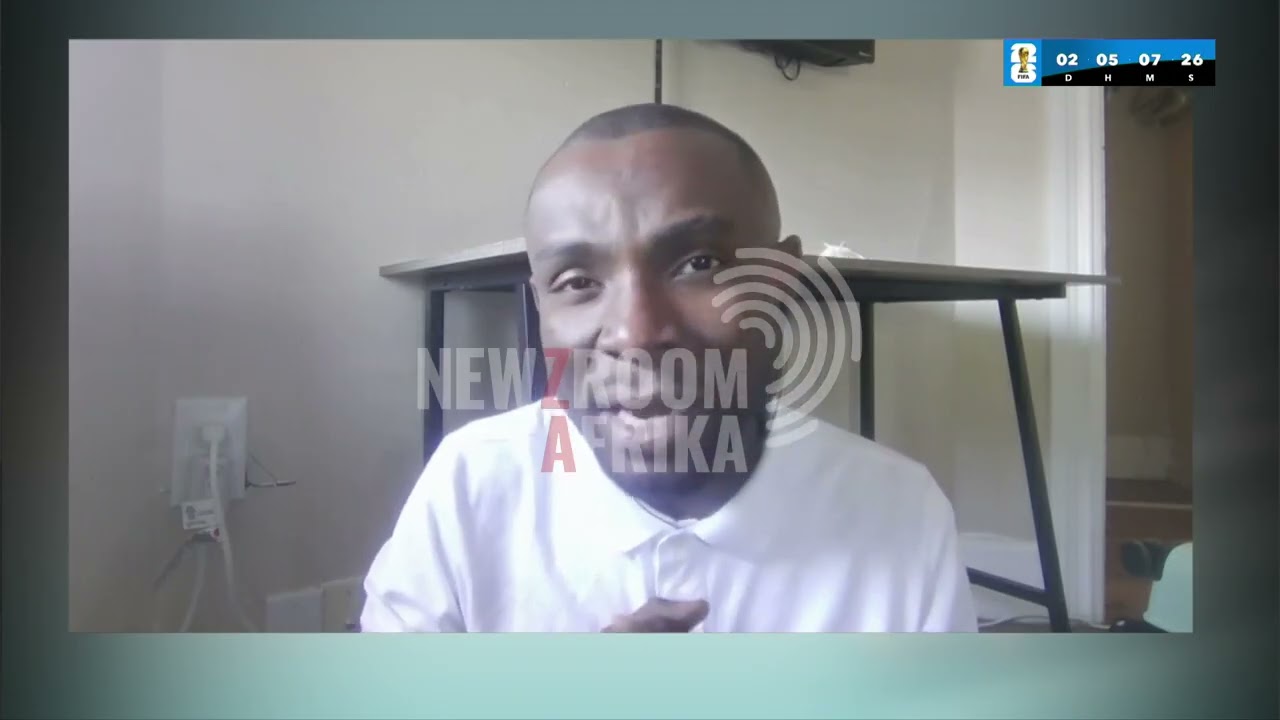
Omar Abdulkadir Artan was set to make history. The 34-year-old Somali official, crowned Africa's best male referee by the Confederation of African Football (CAF) in 2025, had been selected as one of seven African referees for the 2026 World Cup. He would have been the first Somali to ever officiate at the tournament.
On Saturday, June 7, Artan arrived at Miami International Airport on a flight from Istanbul. He never cleared customs. U.S. Customs and Border Protection (CBP) confirmed he underwent additional screening and was ultimately deemed inadmissible. A Trump administration official told CNN the vetting uncovered derogatory information, including association with suspected members of terror organizations.
FIFA confirmed his removal from the officiating panel on Monday, June 9, stating it is not involved in host country immigration processes and that authorities had informed them Artan's status would not be changed. Somalia is on the U.S. restricted countries list for immigration, though exceptions can be granted for international sporting events. No exception was made for Artan.
Senegal and Uzbekistan: Footage Goes Viral
Artan's case is not isolated. In the days leading up to the tournament, footage and first-hand accounts emerged showing national teams from Senegal and Uzbekistan subjected to security procedures that drew widespread condemnation.
Senegal's delegation, arriving in San Antonio, Texas, was reportedly compelled to undergo full bag inspections directly on the airport tarmac. Staff and players had their luggage opened, personal items searched, and were required to remove their shoes and submit to handheld metal detector checks. Multiple observers noted this treatment had never been seen at a World Cup held in Europe or South America.
Uzbekistan faced a similar ordeal. Players and coaching staff were stopped outside their team coach on arrival in New York and subjected to checks by security personnel with metal-detecting wands, accompanied by a sniffer dog and its handler. All bags were placed on the ground for inspection. Critically, their opponents from the Netherlands did not face comparable screening.
Cannavaro Calls It Disgraceful
The most pointed public reaction came from Fabio Cannavaro, the World Cup-winning Italian legend who now coaches Uzbekistan. Speaking to CGTN Sports Scene, Cannavaro said: They said to me it's the rules, but in the end the check was only for us. In subsequent comments reported by multiple outlets, the coach used the word disgraceful to describe the experience.
Cannavaro's remarks carried particular weight. A former FIFA World Player of the Year and Italy's 2006 World Cup-winning captain, his credibility is unimpeachable, and his willingness to speak out publicly amplified the story far beyond football circles.
Iraq Striker Held for Seven Hours at O'Hare
A third incident involved Iraqi striker Aymen Hussein, who was detained and questioned for nearly seven hours at Chicago's O'Hare International Airport upon arriving with the national squad. The lengthy detention of a named player on the official World Cup roster added further fuel to the debate.
Iraq, placed in Group I alongside France, Senegal, and Norway, is one of several teams from the Middle East and Africa whose travel to the United States faced complications amid the current political climate. The Iran situation involving visa disputes and base camp changes had already drawn international attention in recent weeks. See: Iran Issues 10-Point Ultimatum as Visa Crisis Forces World Cup 2026 Decisions.
FIFA's Response and Its Limits
FIFA's official position is constrained: as tournament organiser, it does not control U.S. immigration policy. The confederation has indicated it is working with U.S. authorities to facilitate the travel of all accredited personnel, but has stopped short of any formal protest or public criticism of the host government's conduct.
Critics argue this passivity is itself a problem. By awarding the 2026 World Cup to the United States and accepting the conditions that came with it, FIFA assumed responsibility for the treatment of participants. When African and Asian delegations are searched with sniffer dogs while European squads are waved through, the optics are devastating for a tournament marketing itself on global inclusion. See also: FIFA World Cup 2026 Cyber Alert: 19,000 Fake Domains and FBI Warning and our complete guide to the 16 host stadiums.
What Happens Next
For Omar Artan, the door appears firmly closed. FIFA confirmed his status will not be changed. The remaining six African referees on the panel are proceeding with their duties. The Senegal, Uzbekistan, and Iraq teams have arrived and are preparing for their opening matches. But the controversy is unlikely to fade. Human rights organisations, football governing bodies in Africa and Asia, and several national football federations are reportedly considering formal complaints.
The 2026 World Cup was always going to be politically charged, hosted across three nations amid significant geopolitical tension. What no one wanted was for those tensions to spill directly onto the runway before a single ball had been kicked.
| Incident | Person / Team | Location | Date | Outcome |
|---|---|---|---|---|
| US Entry Denied | Omar Artan (Referee, Somalia) | Miami Int'l Airport | June 7, 2026 | Removed from World Cup panel |
| Security Search on Tarmac | Senegal National Team | San Antonio, TX | June 2026 | Team protested; proceeding with WC |
| Police Dog / Metal Detector Check | Uzbekistan (incl. Cannavaro) | New York | June 8, 2026 | Cannavaro called it disgraceful |
| 7-Hour Airport Detention | Aymen Hussein (Striker, Iraq) | O'Hare, Chicago | June 2026 | Released; rejoined squad |
Frequently Asked Questions
U.S. Customs and Border Protection stated he was deemed inadmissible after vetting. A Trump administration official told CNN the vetting uncovered derogatory information including association with suspected members of terror organizations. Somalia is on the US restricted countries list. FIFA confirmed his removal on June 9, 2026.
No. Reports and footage consistently show that teams from Africa and Asia specifically Senegal, Uzbekistan, and Iraq faced intensive checks including police dogs, luggage searches, and prolonged questioning. European teams including the Netherlands, who shared an arrival window with Uzbekistan in New York, did not face comparable screening according to multiple reports.
FIFA has stated it is not involved in US immigration decisions and is working with authorities to facilitate travel for all accredited personnel. The organisation has not issued any formal protest. Several national federations are reportedly considering formal complaints to FIFA and other international bodies.